Why We Focus On Rescue
Hey, my name is Kathleen White
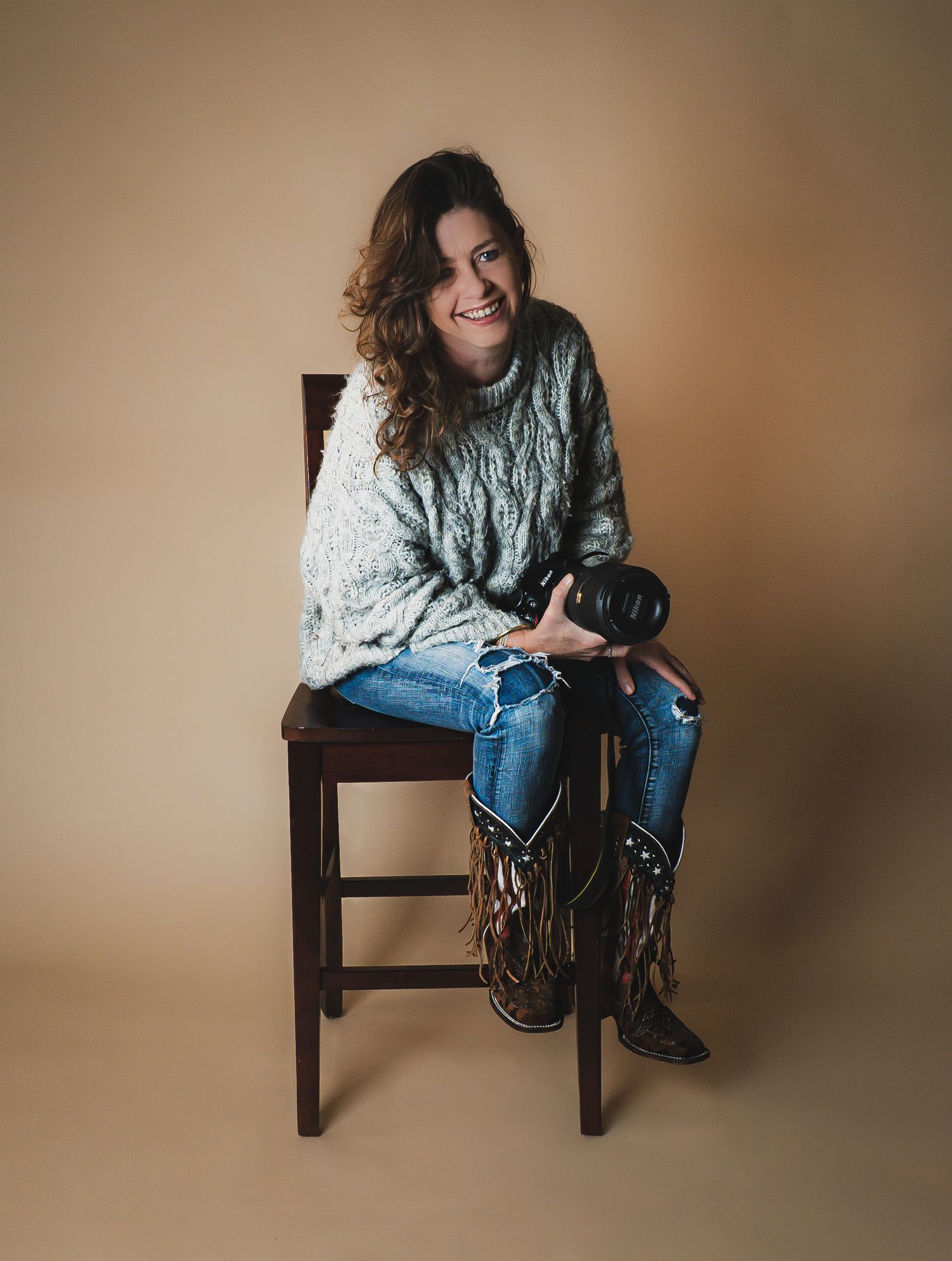
After a 17-year career in corporate sales, I reached a turning point this past October. I realized I no longer wanted to navigate the corporate world; I wanted to do something truly meaningful with my life. Having spent 13 years as a hobbyist photographer, I decided to turn my passion and love for my own dogs into a professional mission. I founded The Family Pawtrait Company to capture the soulful bond between pets and their families, while also giving back to the rescue community. My goal is to use my experience to provide a professional voice for shelter dogs, helping them find forever homes through impactful, high-quality imagery.
Shelter Truths You Might Not Be Aware Of
The reality of a “No Kill” Shelter
It’s a common misconception that a “No Kill” designation means a shelter never euthanizes an animal. In reality the term describes a commitment to never ending the life of a healthy or treatable pet to create spaces or meet a time limit. Even the most dedicated rescues must sometimes make the heart breaking choice to provide a merciful end for animals in severe , irreversible medical distress
‘Furthermore, it is important to understand that ‘behavioral issues’ are often not inherent to the dog, but a result of long term shelter life. The chronic stress of a kennel environment-the noise, the confinement, and last of routine-can cause even the gentlest dogs to deteriorate or shut down. When a dogs mental health suffers to the point of becoming a safety risk, shelters face an impossible decision. This is why getting dogs out of the shelter and into homes quickly is a matter of life or death; the longer they wait, the harder it is for them to remain the dog they truly are.
The Crisis
Of Overcrowding
The true challenge these organizations face is a crisis of overcrowding. Open-admission municipal shelters, like Chicago Animal Care Control are required by law to accept every animal that comes to their door. Because they can not say no, they often reach maximum capacity, putting an immense strain on the system. By understanding this distinction, we shift the focus toward the real solution: advocating for the animals caught in this cycle and ensuring that no dog loses their life simply because there wasn’t an available kennel.
The “Invisible” Dog
The most vulnerable dogs in the shelter system often face a combination of visual hurdles and breed-wide stigmas..
“Black dog syndrome “
is a well documented phenomenon where darker coated dogs are passed over by adopters simply because their features are difficult to see in dim shelter kennels, often making them appear ‘invisible’ compared to their lighter-colored counterparts. This challenge is compounded by the high volume of Pitbulls and Bully breeds, which make up a significant portion of the shelter population due to over-breeding and housing restrictions rather than temperament. However, a crowded shelter does not mean lack of variety; it is a common myth that rescues only house ‘mutts’ or specific breeds. In reality, approximately 25% of all shelter, dogs are purebred, ranging from Golden Retrievers to Beagles. Whether the dog is a misunderstood bully breed or a highly sought after purebred, they are all caught in the same cycle of overcrowding, waiting for someone to look past the label and see the individual dog beneath.
The 3-3-3 Rule and the Dangers Of Unrealistic Expectations
One of the most heartbreaking challenges in a rescue is a “failed adoption” due to lack of decompression time. It is a common misconception that a dog will be ‘perfect’ the moment they walk through your front door. In reality, a shelter dog needs time to decompress from the trauma of the kennel environment.
When adopters expect a dog to integrate instantly and don’t allow for the transition period, the dog may react out of fear or confusion. If that dog is then returned to the shelter, they often carry a ‘strike’ or behavioral note on their file. In an overcrowding municipal system shelter these notes can unfortunately move a dog to the “ at risk list, making them a candidate for euthanasia much sooner then a dog with a clean file. Being a responsible adopter means committing to the time it takes for a dog to feel safe-because for them, your patience is quite literally a matter of life and death.
Photography: The Bridge To A Forever Home
Why We focus on a rescue
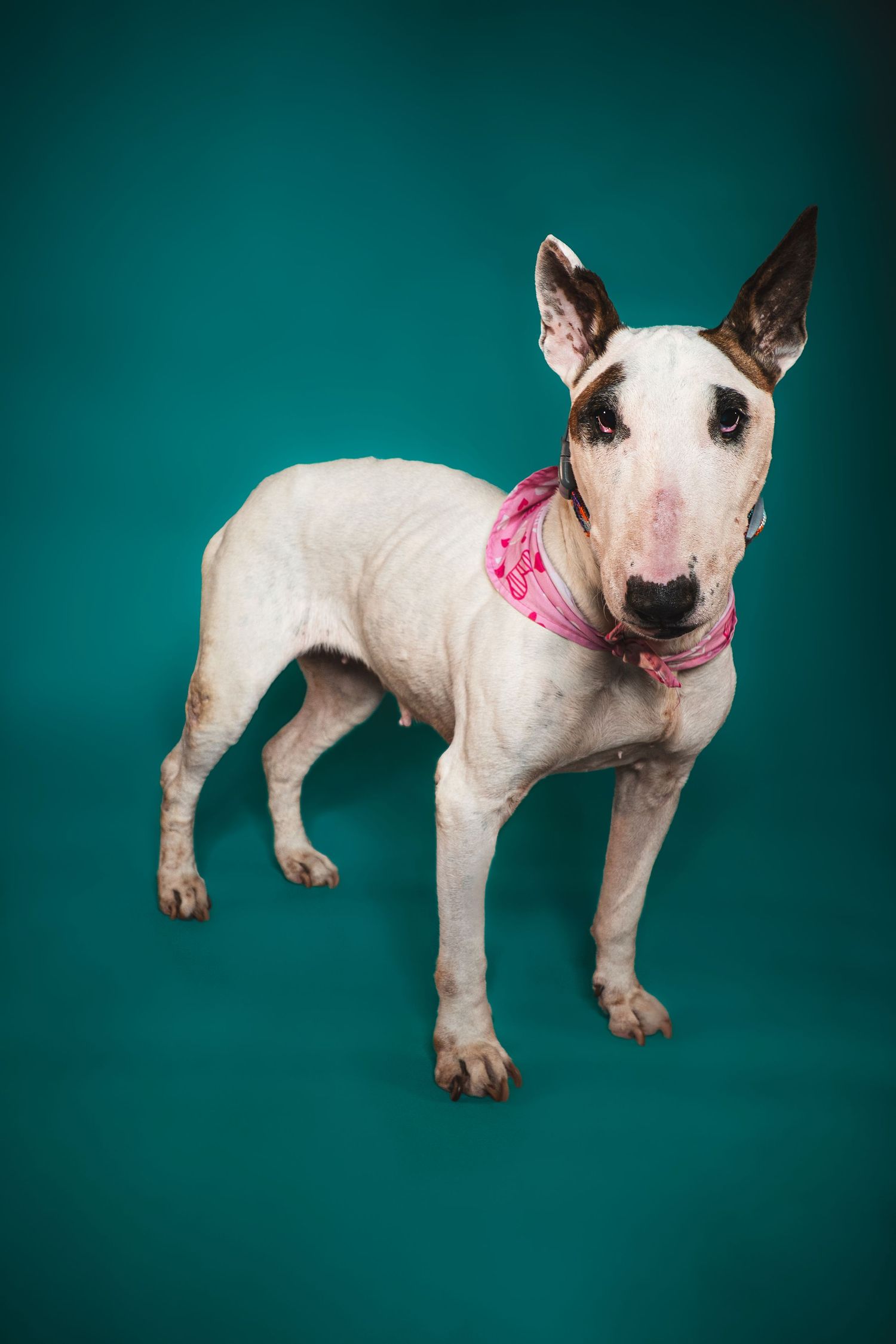
In a digital-first world, a dog's online profile is their only 'handshake' with a potential family. For a dog in a overcrowded shelter, a professional portrait is often the difference between being scrolled past and being saved. High-quality imagery does more than just show a dog's coat color; it humanizes them, capturing the glimmer of personality that cell phone snap in a dark kennel simply can not reach. By focusing our lens on local rescues, we aim to reduce a dogs 'length of stay' by making them stand out on crowded adoption sites like Petfinder. We focus on these specific animals because they are the ones who need a professional voice most-giving the 'invisible' dogs, the bully breeds, and the seniors a chance to be seen for who they truly are: A beloved family member waiting to happen.
Get in Touch
Are you a Chicago-area shelter?
Partner with us